UML Diagram Examples
Class Diagram
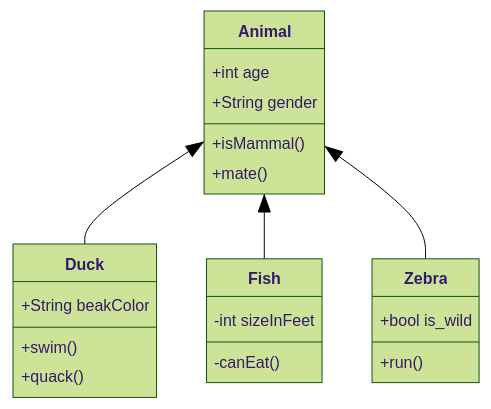
Represents the structure of a system by defining classes, attributes, methods, and relationships, showing how objects interact and connect logically within the application.
Sequence Diagram
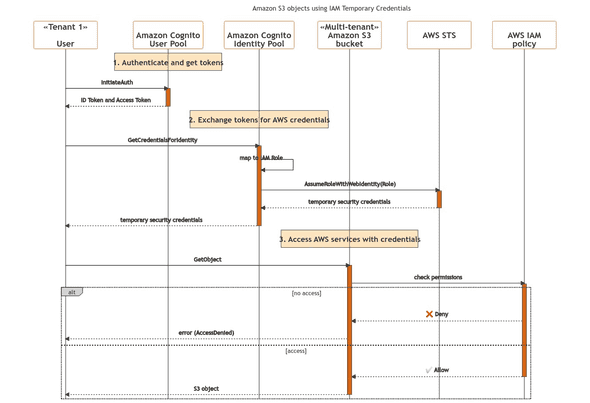
Illustrates how objects interact over time, showing the order of messages exchanged between components to complete a process or feature in a system.
Flow Diagram
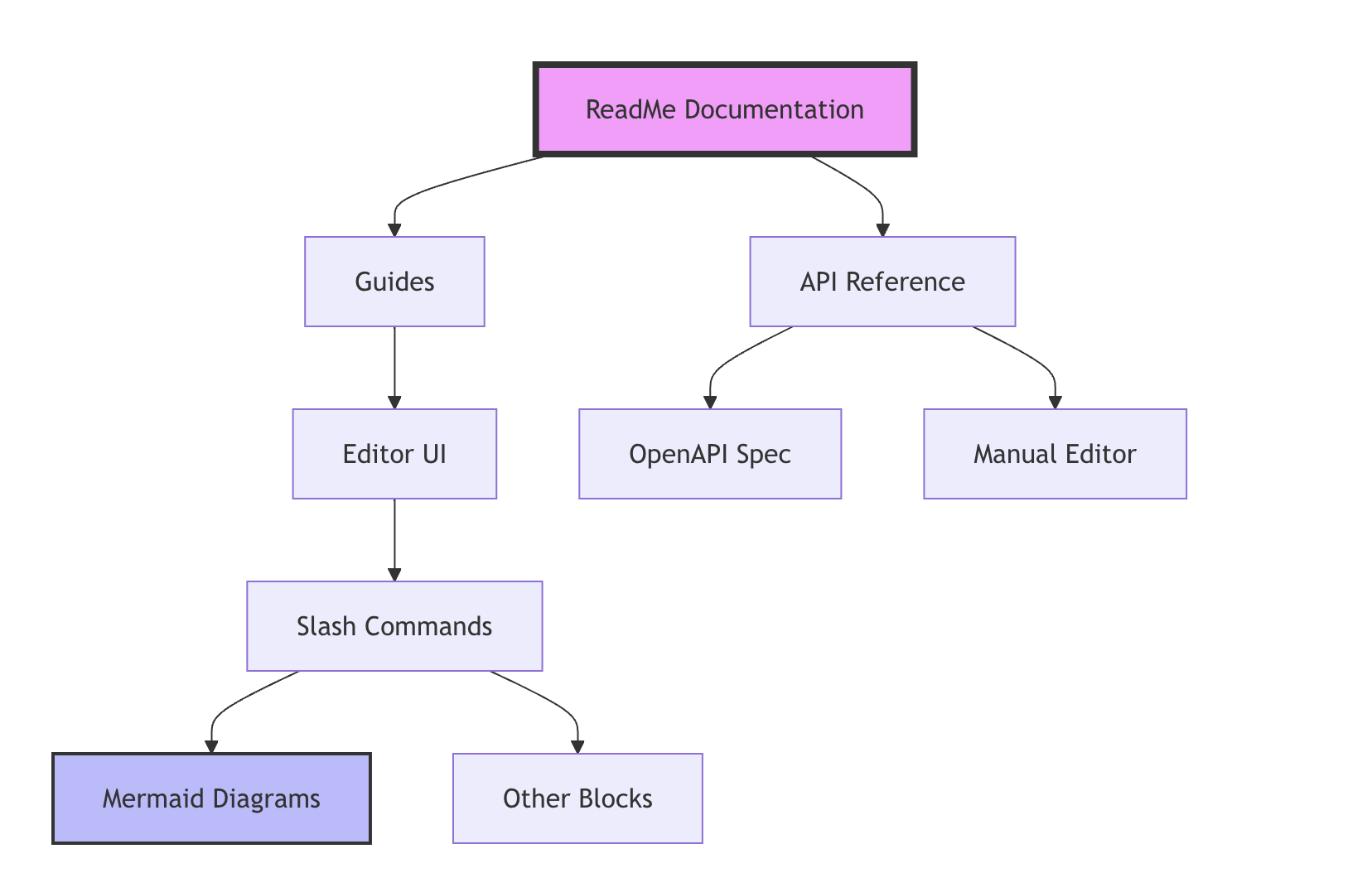
Visualizes the step-by-step sequence of a process, including actions, decisions, inputs, and outputs, helping understand system workflow and logic.
State Diagram
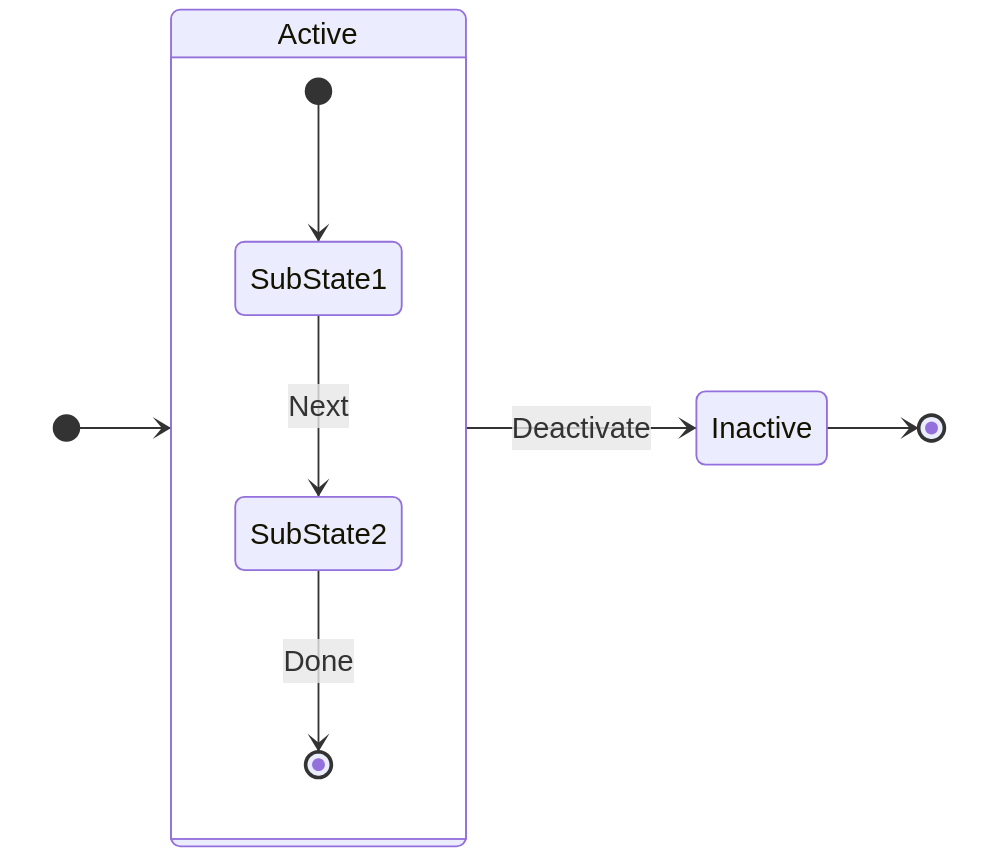
Shows the different states of an object and how it transitions from one state to another based on events, conditions, or triggers during system execution.
Entity Relationship Diagram
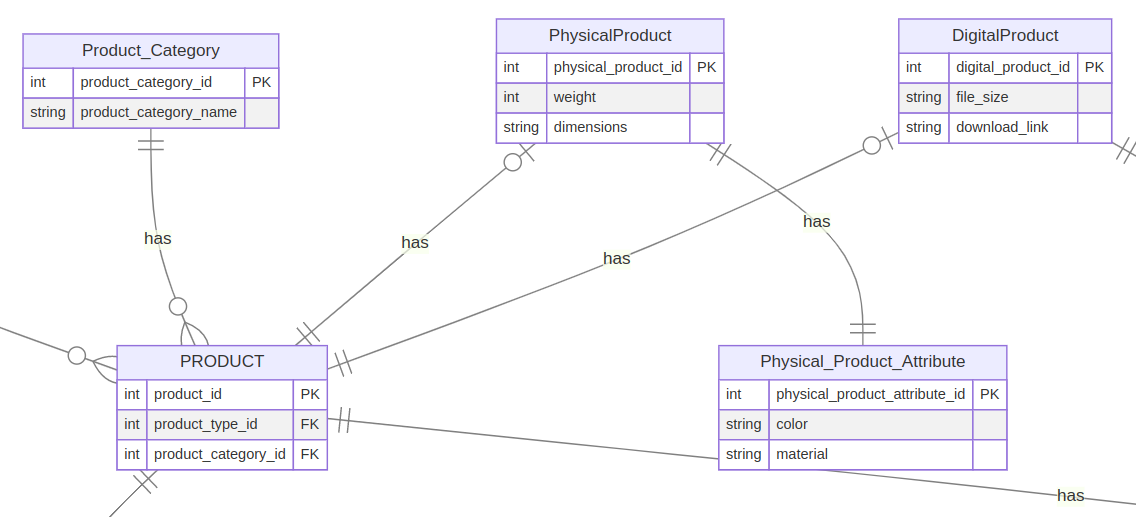
Models database structure by defining entities, attributes, and relationships, showing how data objects link and interact in a relational database.
C4 Context Diagram
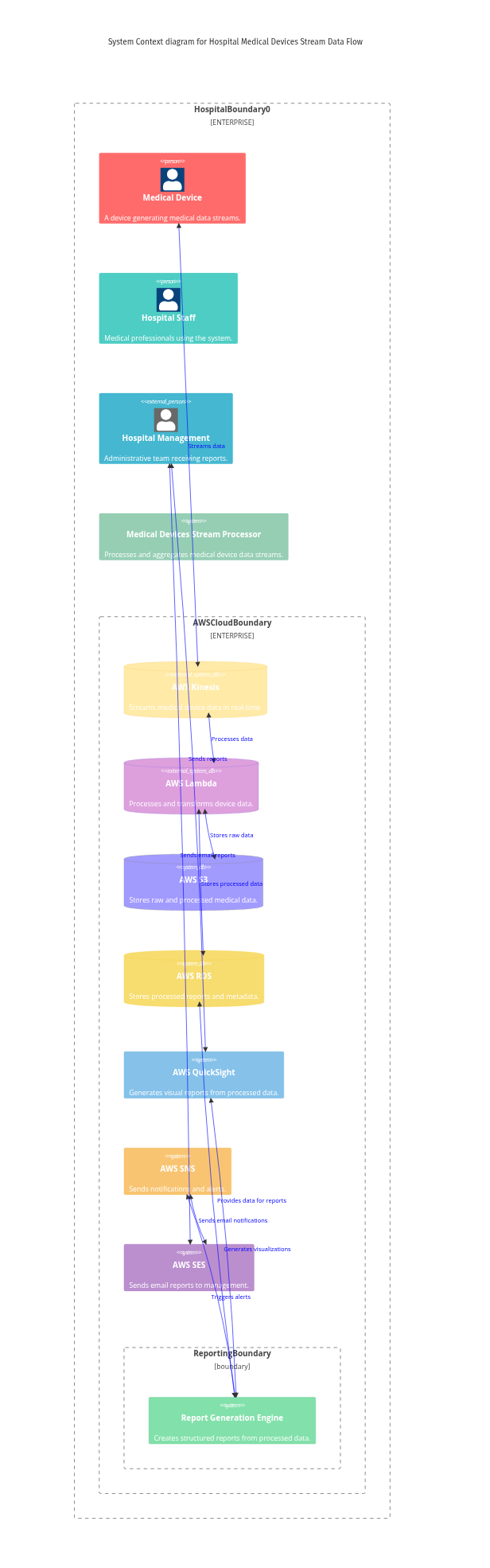
Provides a high-level view of the entire system and its environment, showing how users and external systems interact with the main application.
C4 Container Diagram
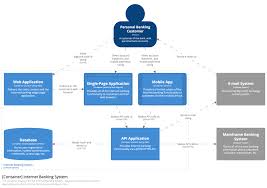
Breaks the system into major containers — such as APIs, services, UI, and databases — demonstrating technology choices and communication flows.
Activity Diagram
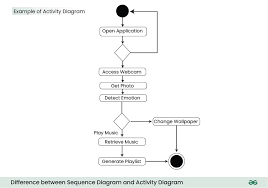
Describes workflow logic from start to finish using actions, decisions, and parallel processes, useful for analyzing business or application processes.
Usecase Diagram
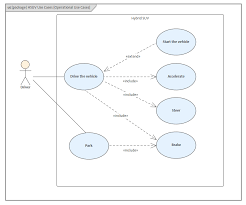
Shows system functionality from the user’s perspective, highlighting actors and the operations they can perform to achieve their goals.
Object Diagram
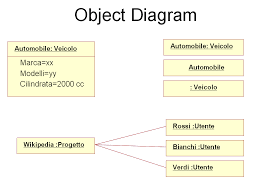
Snapshots system objects at a specific moment in runtime, displaying actual data values and relationships between instances of classes.
Component Diagram
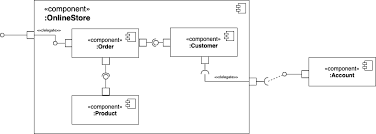
Represents high-level software components, their interfaces, and dependencies, explaining how modules integrate to form the overall system.
Deployment Diagram
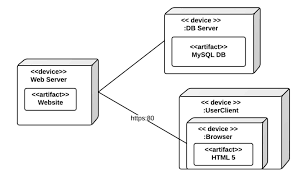
Visualizes physical deployment of software on hardware nodes such as servers, showing runtime architecture, network connections, and environments.